
Closed Cell Spray Foam in Fall River, MA
Fall River Spray Foam Insulation provides closed-cell spray foam insulation for residential and commercial properties throughout Fall River, Massachusetts. This high-density polyurethane foam offers a high R-value per inch, helping reduce heat transfer, air leakage, and moisture vapor movement through treated surfaces. Closed-cell foam expands during application and adheres to compatible substrates, creating a continuous insulating layer. Our technicians evaluate attics, basements, crawl spaces, rim joists, and exterior walls before recommending installation. With Massachusetts' cold winters and humid summers, installed closed-cell foam insulation can improve energy efficiency, indoor comfort, and long-term building durability.
Request a Free Quote
Contact Us
We will get back to you as soon as possible.
Please try again later.

• OVERVIEW
Professional Closed Cell Spray Foam for Fall River Homes
Closed-cell spray foam is used in residential and commercial buildings where thermal resistance and air sealing are important. Fall River's seasonal weather can increase heating and cooling demands, particularly in properties with aging insulation or air leaks. Our technicians evaluate attics, basements, crawl spaces, rim joists, and roof assemblies to determine suitable applications. Closed-cell foam expands and adheres to compatible surfaces, reducing unwanted airflow. Its R-value of approximately R-6 to R-7 per inch provides effective thermal resistance within limited spaces.
Professional installation may be suitable for foundation walls, attics, and metal buildings. However, material selection depends on moisture conditions, ventilation, substrate compatibility, and building requirements. Compared with open-cell foam, closed-cell insulation has greater density and lower vapor permeability at appropriate thicknesses. Our specialists assess these factors to recommend suitable insulation solutions that support indoor comfort, energy efficiency, and building performance.
• PROBLEM
How Closed-Cell Spray Foam Reduces Air Leakage and Weather
Air leakage through poorly insulated areas causes drafts, uneven temperatures, and higher energy costs. During Massachusetts winters, indoor air escapes through gaps around framing, rim joists, and walls, increasing heating demands. Assessments identify insulation gaps and air leakage pathways. Installed closed-cell spray foam creates an air barrier across treated surfaces, reducing airflow and heat transfer. Consistent coverage and installation thickness are essential for performance.
Condensation affects basements and crawl spaces when humid air contacts cold surfaces. Closed-cell spray foam provides moisture resistance and can function as a vapor retarder at suitable thicknesses. However, foundation leaks, groundwater intrusion, and moisture damage require repairs before installation. Our technicians evaluate these conditions to recommend insulation solutions. With its high R-value per inch, closed-cell foam provides thermal protection in limited spaces, supporting indoor comfort, energy efficiency, and building durability.
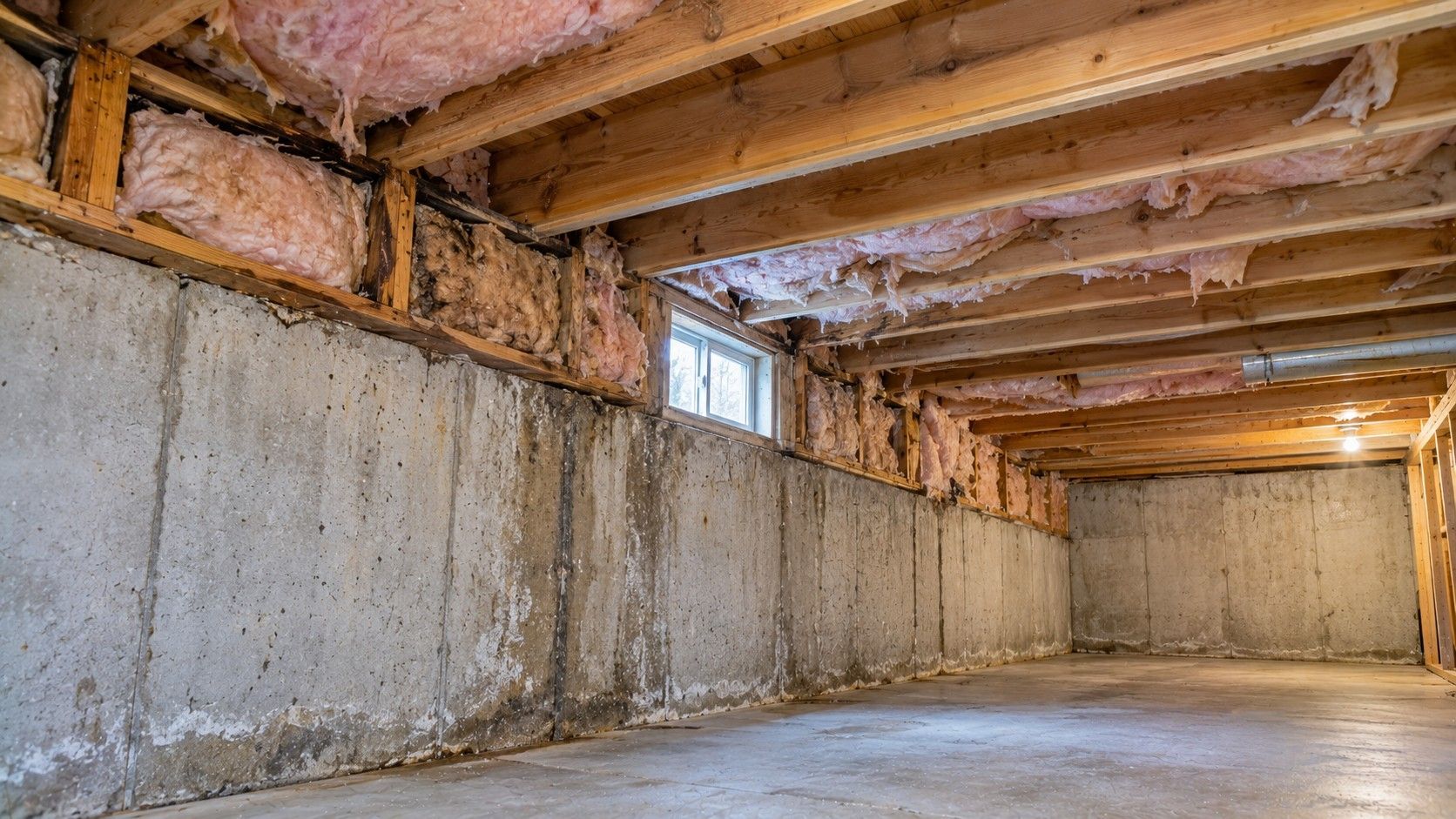
Common Insulation Problems Affecting Fall River Properties
Aging insulation, air leaks, and moisture damage can cause heat loss, uneven temperatures, and higher energy costs. Poor coverage further reduces thermal efficiency.
• PROCESS
Our Expert Closed-Cell Spray Foam Insulation Installation
Our process ensures proper installation, quality inspection, and lasting insulation performance.
STEP 01
Property Assessment
Our technicians inspect existing insulation, building surfaces, moisture conditions, and application areas to determine suitable materials, required thickness, and installation requirements.
STEP 02
Surface Preparation
We prepare surfaces, remove damaged insulation when necessary, address moisture concerns, and protect nearby equipment and building components before installation.
STEP 03
Foam Application
Using equipment, our technicians apply closed-cell spray foam in controlled layers, following manufacturer specifications for proper thickness, coverage, and safety.
STEP 04
Final Inspection
Our team checks insulation coverage, application thickness, curing conditions, and protective requirements to verify the completed installation meets the planned project scope.
• COST
Closed Cell Spray Foam Costs in Fall River Properties
Closed-cell spray foam insulation costs in Fall River depend on coverage area, material thickness, accessibility, and preparation requirements. Pricing is often calculated using board feet, representing one square foot of coverage at one-inch thickness. Larger areas and thicker applications require more material. Closed-cell foam provides high R-value per inch, making it suitable for spaces with limited insulation depth. Required thickness depends on product performance, climate conditions, and building requirements.
Existing insulation conditions also affect expenses. Removing damaged fiberglass, preparing surfaces, addressing moisture concerns, and accessing tight spaces can increase labor costs. Closed-cell foam generally costs more than traditional fiberglass insulation due to material and equipment requirements. Open-cell spray foam and rigid foam offer alternative options for certain applications. Potential energy savings depend on existing insulation, air leakage, and heating or cooling systems. Our technicians evaluate these factors to provide property-specific estimates and help owners understand installation costs without guaranteeing energy savings.
• FALL RIVER SPRAY FOAM INSULATION
Why Choose Our Closed Cell Spray Foam Team?
Choosing a professional closed-cell spray foam installer requires evaluating installation procedures and building conditions. Fall River Spray Foam Insulation provides insulation solutions for residential and commercial buildings. Our technicians inspect existing insulation, air leakage, and moisture conditions before recommending an approach. Closed-cell foam offers thermal resistance, rigidity, and air-sealing capabilities. At suitable thicknesses, it can also support moisture management.
Professional installation requires specialized equipment, protective gear, and manufacturer-approved procedures. Technicians assess safety requirements and curing conditions. Foundation leaks, water intrusion, or incompatible surfaces may require corrective work before installation. Insulation performance depends on consistent coverage, appropriate R-value, air sealing, and moisture management. Our team explains application areas, preparation requirements, material options, and costs. Through clear communication, we help property owners determine whether closed-cell spray foam is appropriate for their building.
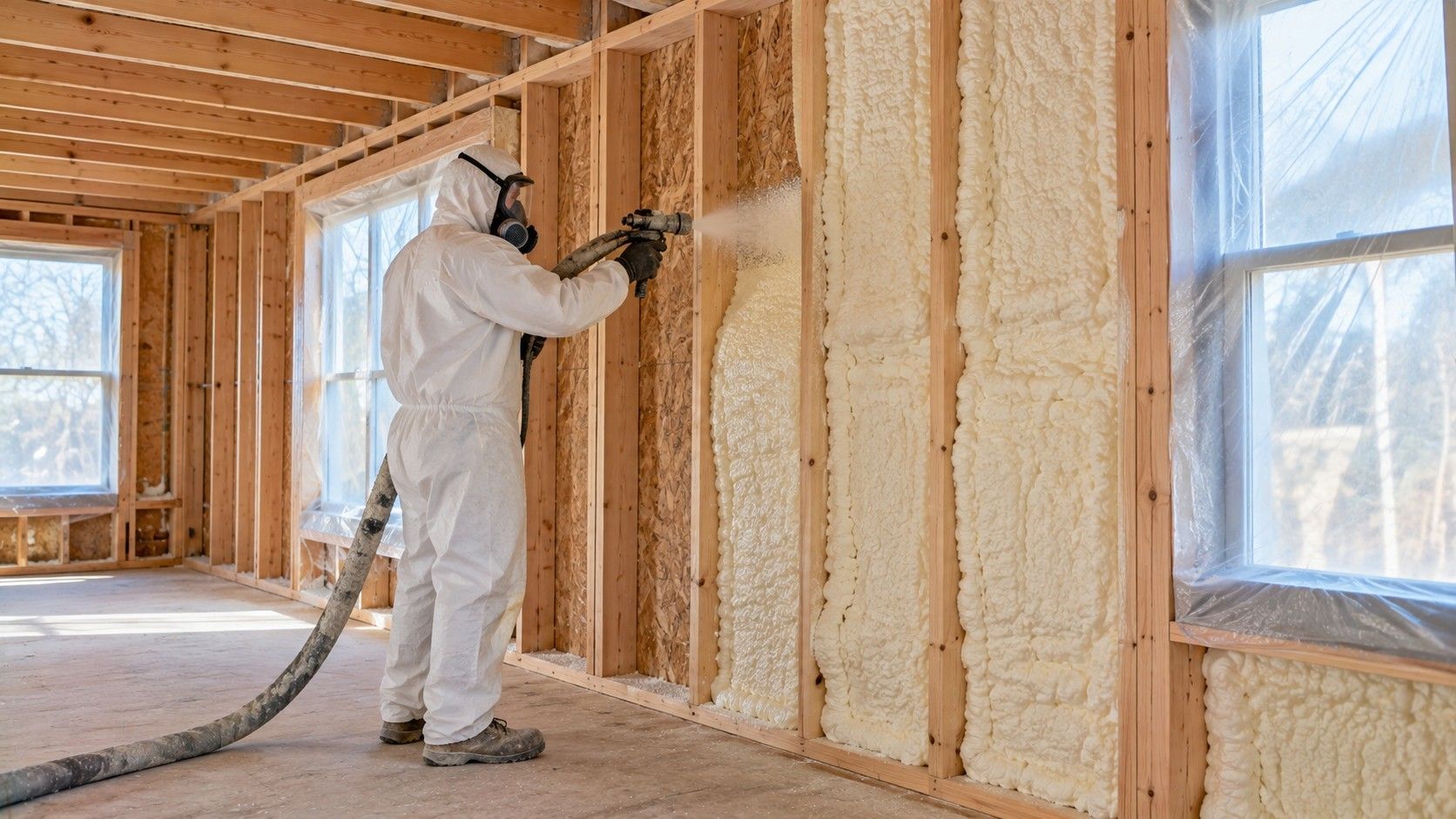
Experienced Technicians
Knowledgeable insulation professionals skilled in proper installation techniques, material selection, and quality workmanship.
• our projects
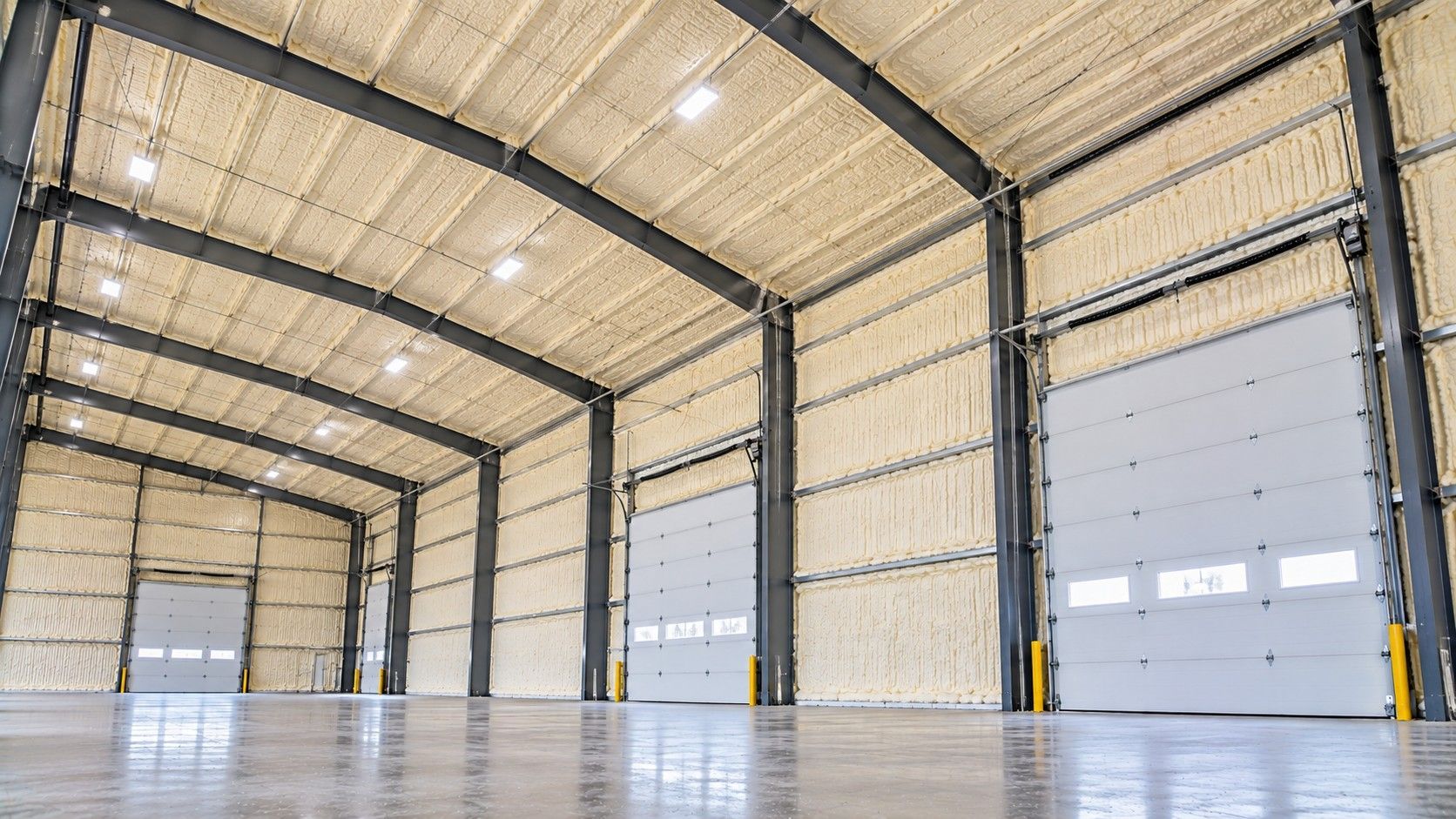
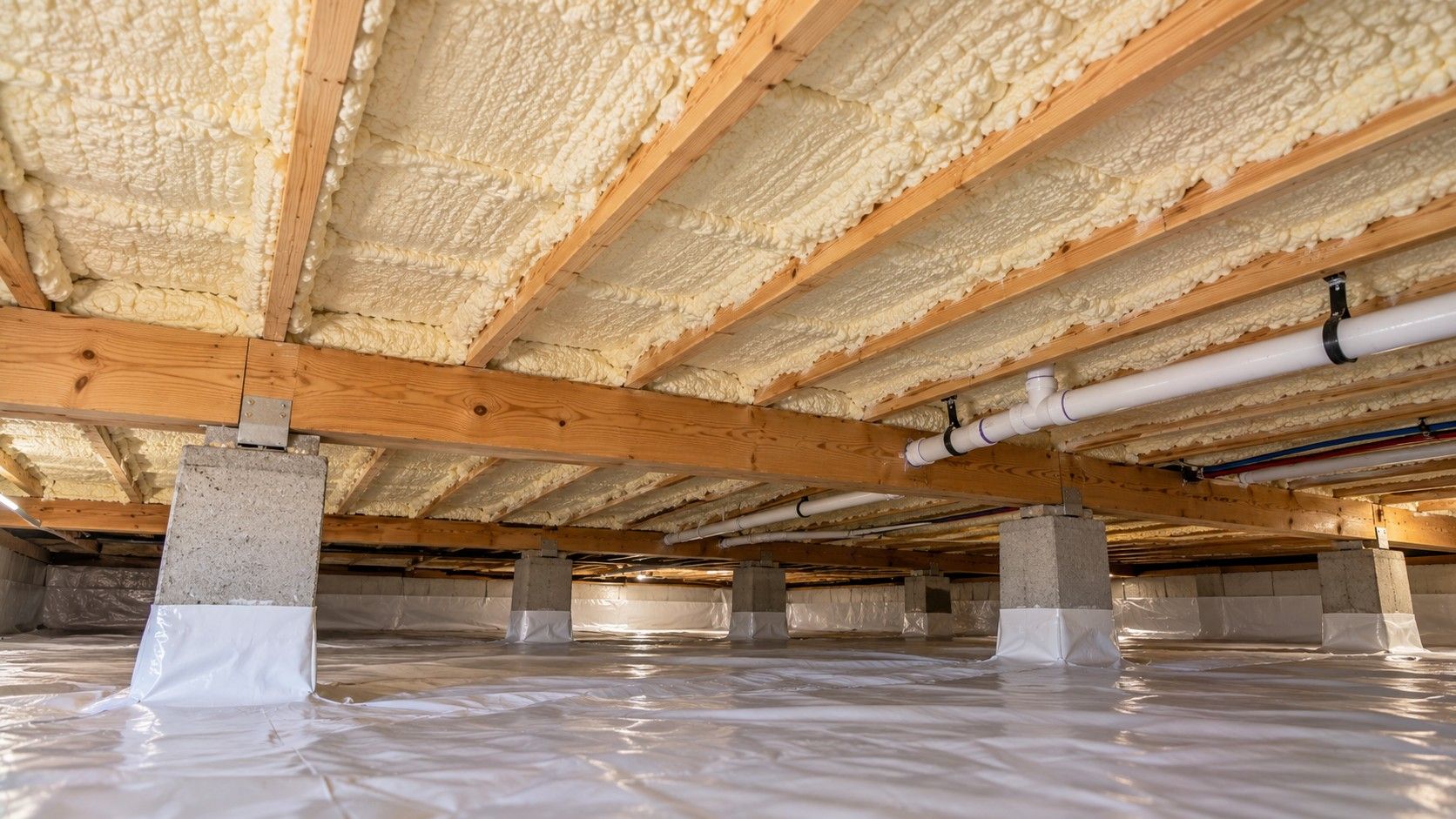
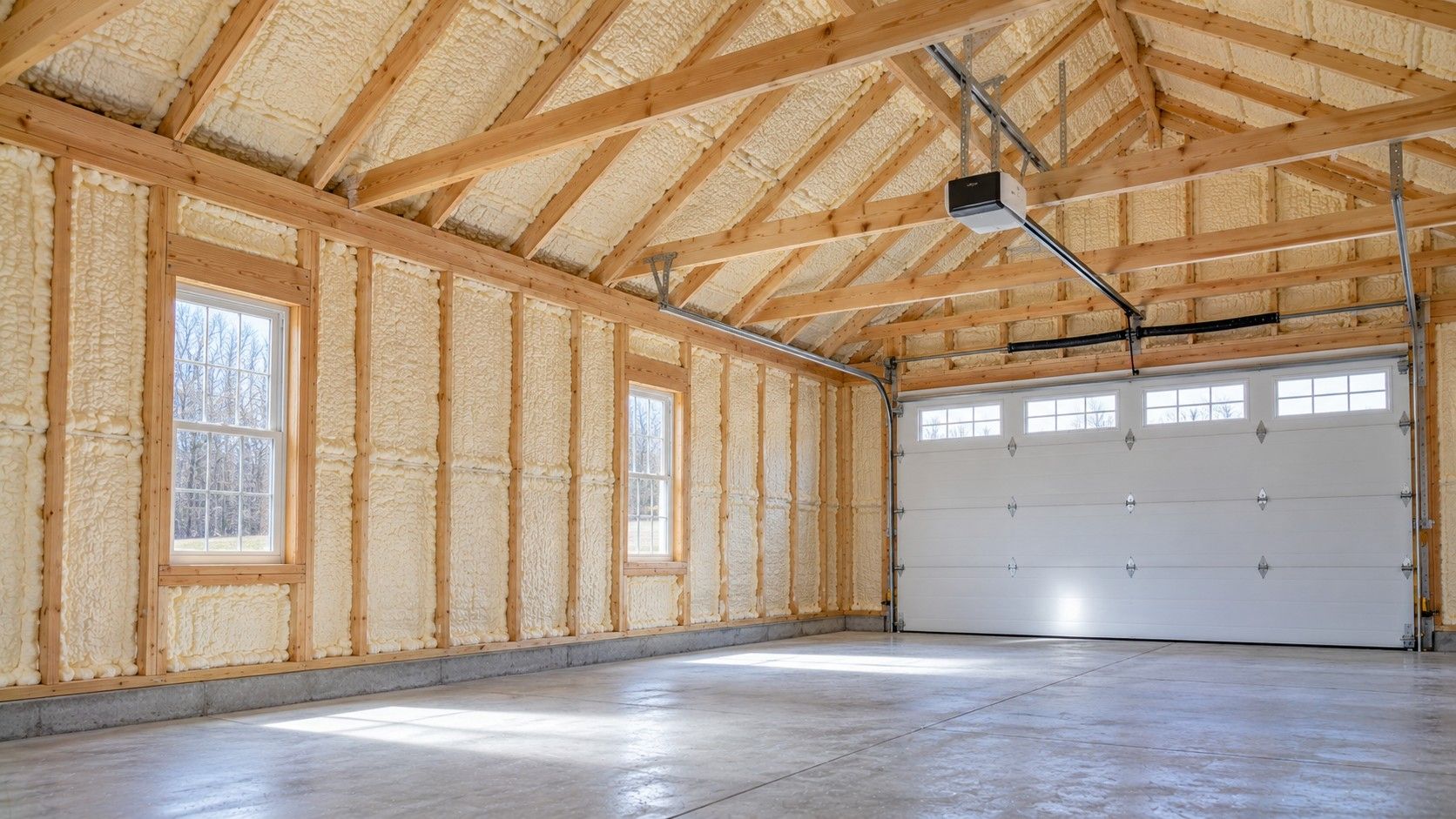
Recent Closed Cell Spray Foam Projects in Fall River, MA
Explore our recent closed cell spray foam projects in Fall River, highlighting quality workmanship, effective insulation solutions, and improved property comfort.
• FAQs
Frequently Asked Question About Closed Cell Spray Foam in Fall River, MA
Have More Questions We Haven’t Answered?
What is the difference between closed-cell and open-cell spray foam insulation?
Closed-cell spray foam has a denser, more rigid structure and generally provides higher thermal resistance per inch than open cell spray foam. It also offers lower vapor permeability at appropriate thicknesses, making it suitable for certain moisture-sensitive building assemblies. Open-cell foam is lighter and has different vapor-control characteristics. Both materials can provide air-sealing benefits when properly installed. Professional technicians evaluate building construction, required R-value, and moisture conditions before recommending the appropriate insulation type.
How much R-value does closed-cell spray foam provide per inch?
Closed-cell spray foam typically provides approximately R-6 to R-7 per inch, depending on the product and its tested thermal properties. This relatively high thermal resistance makes it useful for rim joists, wall cavities, and other areas where installation space is limited. Professional installers determine the required thickness based on the building assembly, applicable energy requirements, and manufacturer specifications. Proper surface preparation, controlled application, and consistent coverage help achieve the intended thermal performance.
Can closed-cell spray foam help control condensation during Fall River's humid summers?
Yes, closed cell spray foam insulation can help reduce condensation risks by limiting air leakage and moisture vapor movement through properly treated surfaces. Its relatively low vapor permeability at suitable thicknesses may benefit certain basement, crawl space, and metal building assemblies. However, foam insulation cannot repair foundation leaks, prevent groundwater intrusion, or eliminate excessive indoor humidity. Experienced technicians evaluate ventilation, substrate moisture, existing water damage, and indoor conditions before recommending spray foam as part of a moisture-management strategy.
How much does closed-cell spray foam insulation cost in Fall River, MA?
The cost of closed cell spray foam installation depends on coverage area, required thickness, accessibility, and surface conditions. Projects involving tight crawl spaces, elevated attic assemblies, or extensive preparation may require additional labor and specialized equipment. Existing insulation removal, moisture-related concerns, and protective covering requirements can also influence pricing. Professional technicians assess these factors and calculate material requirements before preparing a property-specific estimate based on the proposed installation scope.
Where is closed-cell spray foam insulation commonly installed in homes?
Closed-cell foam insulation is commonly considered for suitable basement walls, crawl spaces, rim joists, attic assemblies, and certain exterior wall applications. Its relatively high R-value per inch and air-sealing properties make it useful where installation space is limited. However, not every building assembly is suitable for closed-cell foam. Professional installers evaluate substrate compatibility, moisture conditions, ventilation, and applicable building requirements before recommending insulation for a specific area of the property.
• fall river spray foam insulation
Request an Closed Cell Spray Foam Estimate in Fall River, MA
Looking to get a quote for professional closed cell spray foam insulation in Fall River, Massachusetts? Fall River Spray Foam Insulation provides property-specific assessments for homeowners and businesses considering insulation improvements. Our technicians evaluate existing insulation, accessible building surfaces, air leakage concerns, moisture conditions, and required thermal resistance before discussing suitable installation options. Closed-cell spray foam insulation may be appropriate for certain attic assemblies, basement walls, crawl spaces, rim joists, and commercial building applications. Its relatively high R-value per inch, air-sealing properties, and lower vapor permeability at suitable thicknesses can support thermal performance when installed in compatible assemblies.
Our spray foam insulation services consider material selection, preparation requirements, ventilation, installation thickness, and applicable building standards. Whether you want to insulate an older property, address drafts, or improve the building envelope, a professional assessment helps determine the appropriate installation scope. Contact Fall River Spray Foam Insulation to request a closed-cell spray foam estimate and explore suitable options for reducing unwanted heat transfer, improving indoor comfort, and supporting energy efficiency and durability.