
New Bedford, Massachusetts Spray Foam Insulation – Historic Homes and Coastal Building Conditions
Fall River Spray Foam Insulation helps New Bedford property owners address heat loss, air leakage, and insufficient insulation in older and newer buildings. Our services include attic insulation, crawl space insulation, and basement insulation, with recommendations based on construction conditions and moisture-control needs. Call +1 (508) 941-8128 to discuss your project and request an estimate.
Contact Us
We will get back to you as soon as possible.
Please try again later.
• Problem
How New Bedford's Historic Housing and Coastal Conditions Affect Insulation
New Bedford's residential landscape includes historic wood-framed houses, multifamily buildings, and properties renovated for modern living. In these buildings, insulation needs can extend beyond the attic to unfinished basements, crawl spaces, and exposed framing connections. Older construction may contain gaps that allow conditioned air to escape. During Massachusetts winters, heat loss through poorly insulated building assemblies can contribute to drafts, cold floors, and inconsistent indoor temperatures. Aging insulation and unsealed penetrations may also reduce the effectiveness of heating systems, particularly in properties with multiple floors.
New Bedford's location along Buzzards Bay makes humidity and moisture management important considerations. Below-grade spaces can experience damp conditions, while attic assemblies require appropriate ventilation and air sealing. Coastal proximity alone, however, does not mean an individual property has moisture damage. An insulation assessment can identify existing materials, accessible air leakage pathways, foundation conditions, and moisture concerns. These findings help determine which areas would benefit from improvements and whether spray foam is appropriate for the intended application.
• TOP SERVICES
Attic Spray Foam Insulation for Heat Loss and Air Leakage
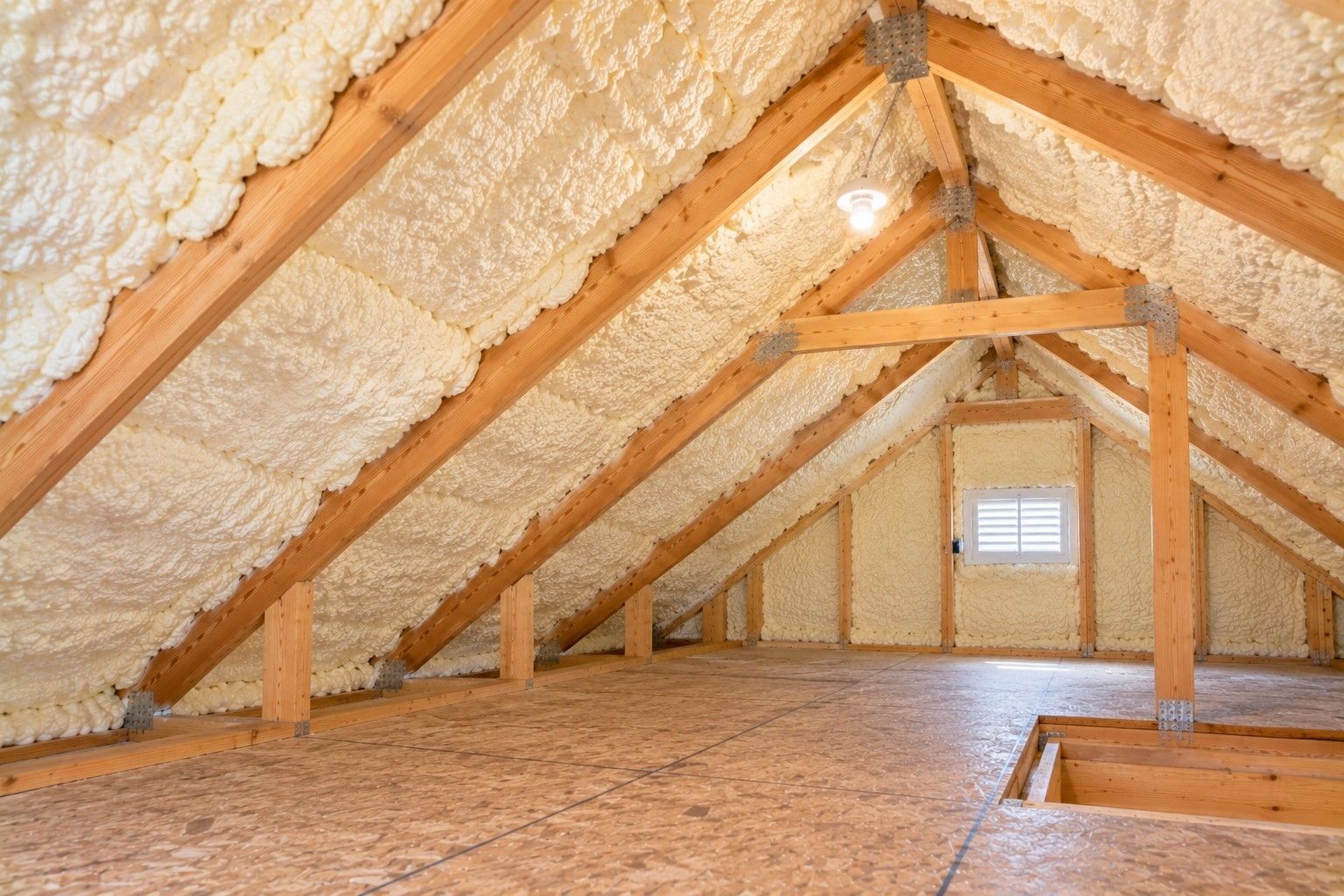
Attic insulation helps limit unwanted heat transfer between occupied rooms and roof spaces. In New Bedford's older homes, uneven insulation coverage and openings around plumbing, electrical penetrations, and attic access panels can contribute to heat loss during colder months.
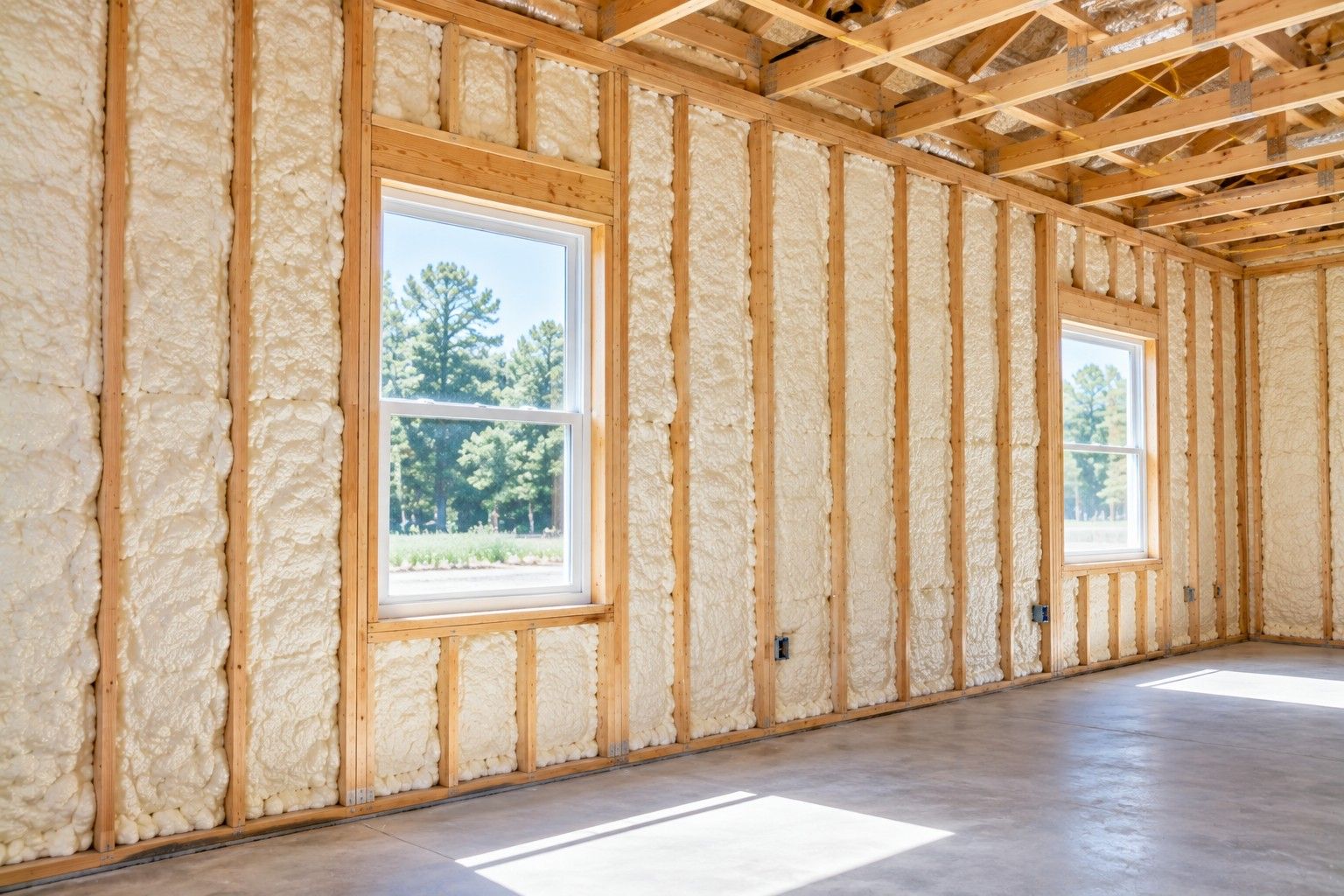
Spray foam insulation can provide thermal resistance and air sealing in suitable attic assemblies. Depending on the building's design, applications may involve designated attic floor areas or appropriately designed roofline cavities. Before installation, existing insulation, roof framing, ventilation, and moisture conditions should be evaluated. Careful material selection helps determine whether open-cell or closed-cell spray foam is suitable for the proposed work.
Crawl Space Insulation for Cold Floors and Moisture Concerns
Homes with accessible crawl spaces may experience cold floors and drafts when the area beneath living spaces lacks sufficient insulation. Gaps around floor framing, plumbing penetrations, and perimeter connections can allow unwanted air movement.
Crawl space spray foam insulation may be appropriate for certain floor assemblies or foundation walls, depending on the building's ventilation and moisture-control strategy. Proper placement helps establish a more consistent thermal boundary between occupied rooms and the space below. For New Bedford properties, existing dampness, drainage conditions, and exposed materials should be assessed before insulation work begins. Water intrusion must be addressed rather than concealed behind new insulation.
Basement Spray Foam Insulation for Foundation Walls and Rim Joists
Unfinished basements in older New Bedford properties may contain exposed foundation walls, uninsulated rim joists, and gaps around framing connections. These areas can contribute to heat loss and drafts that affect rooms above the basement.
Spray foam insulation can be considered for suitable foundation wall and rim joist applications. Closed-cell spray foam offers relatively high thermal resistance per inch and air-sealing properties, although its suitability depends on foundation construction and moisture conditions. Before application, contractors should evaluate water seepage, surface conditions, and required protective barriers. Proper preparation helps determine whether the proposed insulation system is compatible with the basement assembly.
• cost
What Affects Spray Foam Insulation Cost in New Bedford?
Spray foam insulation costs depend on the application area, selected material, required thickness, and accessibility. Attics, crawl spaces, and basements have different preparation requirements, which can affect the overall project scope.
Older New Bedford buildings may have irregular framing, restricted access, deteriorated insulation, or moisture conditions that require attention before installation. Crawl spaces with limited working room and basements requiring surface preparation may involve additional labor. Open-cell and closed-cell spray foam also differ in material characteristics and application requirements. A property assessment helps establish suitable coverage, preparation needs, and a more accurate estimate.
• AREAS WE SERVE
Nearby Service Areas Around New Bedford
• FALL RIVER SPRAY FOAM INSULATION
Why Choose Fall River Spray Foam Insulation?
Fall River Spray Foam Insulation emphasizes property-specific evaluations and suitable material selection when planning insulation improvements. Existing insulation, air leakage, framing conditions, and moisture concerns are considered before recommending attic, crawl space, or basement applications.
The proposed installation should account for surface preparation, spray foam application thickness, manufacturer specifications, and appropriate safety measures. These considerations are especially relevant when evaluating older New Bedford properties with irregular framing or unfinished below-grade spaces. Property owners can discuss insulation options, preparation requirements, and scheduling considerations before proceeding with a project.
• FAQS
Frequently Asked Questions About Spray Foam Insulation in New Bedford
Which areas of an older New Bedford home should be insulated first?
The appropriate starting point depends on existing insulation coverage, air leakage, and building conditions. Attics are often important areas to assess for heat loss, while crawl spaces and basements may contribute to cold floors and drafts. An evaluation helps identify which improvements are most relevant.
How does New Bedford's coastal environment affect insulation?
Seasonal humidity and temperature changes make moisture management important, especially in crawl spaces, basements, and roof assemblies. Existing water intrusion should be addressed before insulation installation, and materials should be selected according to the building's moisture-control requirements.
Can spray foam insulation help reduce heat loss during Massachusetts winters?
Spray foam can provide thermal resistance and limit unwanted air movement in suitable building assemblies. Proper insulation in attics, crawl spaces, and basements may help reduce heat transfer, although results depend on the property's existing construction and overall insulation coverage.
Is open-cell or closed-cell spray foam better for my property?
Both materials have different applications. Open-cell foam is generally more vapor-permeable, while closed-cell foam provides greater thermal resistance per inch and different moisture-control characteristics. Material selection depends on the installation area, existing construction, and applicable requirements.
Does existing insulation need to be removed before installing spray foam?
Not necessarily. Removal depends on material condition, the proposed insulation location, and compatibility with the new application. Wet, damaged, contaminated, or potentially hazardous materials require evaluation before disturbance.
Request a Free Quote
Contact Us
We will get back to you as soon as possible.
Please try again later.